African countries risk missing global targets on maternal and newborn survival unless governments translate political commitments into adequate funding, stronger health systems and effective accountability, leaders have warned.
The warning emerged during a high-level parliamentary meeting on women, children and adolescent health held on the sidelines of the 153rd Inter-Parliamentary Union Assembly in Arusha, Tanzania, where lawmakers and health experts called for urgent action to address preventable deaths across the continent.
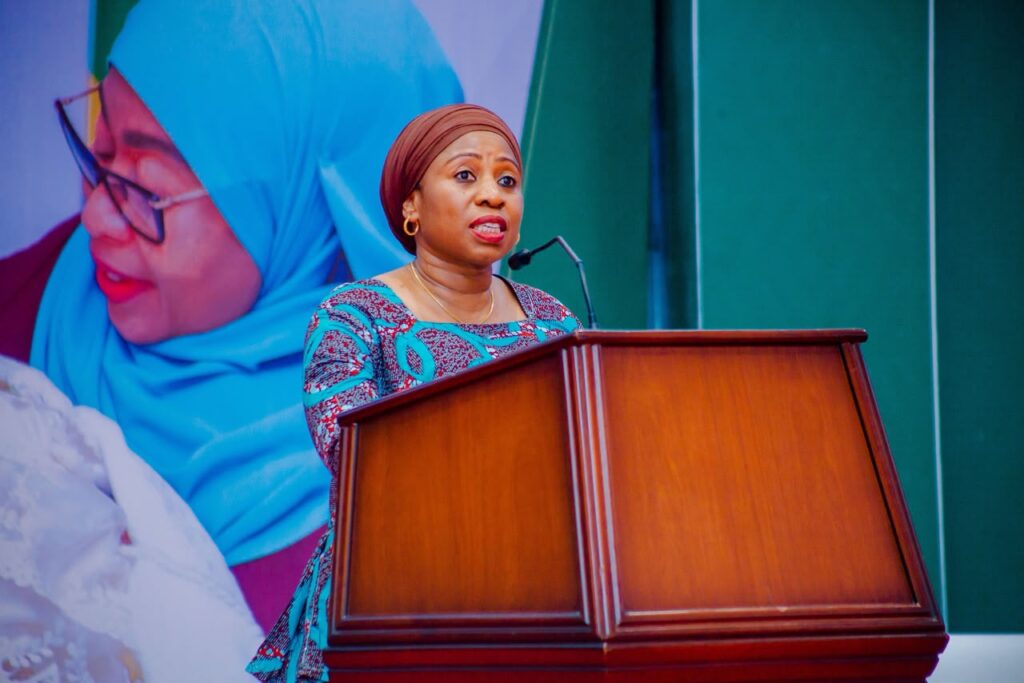
Presidential Adviser on Reproductive and Maternal Health Ummy Mwalimu, representing President Samia Suluhu Hassan, said maternal mortality across African Union member states declined by 42 per cent between 2000 and 2023.
However, she warned that the continent still accounts for approximately 70 per cent of global maternal deaths.
Mwalimu said Africa would not achieve the Sustainable Development Goal target of reducing maternal deaths to 70 per 100,000 live births until around 2050 if the current pace of progress continues.
She noted that the challenge was no longer simply identifying interventions that save lives, but ensuring they are adequately financed, implemented and sustained in health facilities and communities.Speaker of Tanzania’s National Assembly, Mussa Hassan Zungu, said parliamentarians must take responsibility for turning policy commitments into tangible improvements in healthcare delivery.
He called on lawmakers to enact supportive legislation, approve predictable health budgets and strengthen oversight to ensure resources reach facilities and communities most in need.
Zungu said women and children continued to face barriers to quality healthcare, making equitable access to maternal and newborn services, nutrition, sexual and reproductive health services and adolescent care a priority.
South African National Assembly Speaker Angela Thokozile Didiza also called for stronger political leadership, highlighting maternal deaths and childhood immunisation as persistent public health challenges.
Didiza backed the African Union’s “Three Zeros” initiative, which seeks to eliminate home deliveries without skilled assistance, preventable maternal and newborn deaths, and the number of children who receive no vaccinations.
Africa CDC Head of Maternal, Newborn, Child and Adolescent Health and Sexual Reproductive Health, Professor Diana Nambatya Nsubuga, said evidence from all 55 African Union member states showed that many maternal and newborn deaths could be prevented through timely and quality medical care.
She identified haemorrhage, hypertensive disorders of pregnancy and anaemia among the major causes of maternal deaths, while prematurity and birth asphyxia remained significant causes of newborn deaths.
Nsubuga urged governments to strengthen accountability mechanisms, improve healthcare quality and ensure that maternal and newborn deaths are reported promptly and accurately to guide targeted interventions.
President of the Association of Gynaecologists and Obstetricians of Tanzania, Dr Sunday Dominico, stressed the need for well-equipped health facilities, skilled medical personnel and reliable blood supplies to prevent avoidable maternal deaths.
Meanwhile, newborn health advocate Doris Mollel urged parliamentarians to prioritise premature and sick newborns through stronger legislation and increased budgetary allocations.
She cited Tanzania’s parliamentary action on parental leave and additional funding for newborn care as examples of how legislative decisions can influence health outcomes.Chair of the IPU African Geopolitical Group Ali Kolotou Tchaïmi said parliamentarians had a responsibility to ensure that commitments made at regional and international forums translated into services that ordinary citizens could access.
A representative from Botswana called on African countries to learn from one another’s experiences while addressing sensitive but critical issues, including unsafe abortion, healthcare financing and access to maternal health services.
The meeting concluded with a renewed call for African governments and parliaments to move beyond declarations and prioritise financing, oversight and measurable results in the fight against preventable maternal, newborn and child deaths.