The fight over the land hosting Huruma Mosque and its adjoining facilities has taken a fresh turn with the community now asking security agencies and the Ministry of Interior to independently investigate allegations of criminal activity levelled against its members, arguing that the accusations are being used to strengthen a wider battle for control of the disputed property.
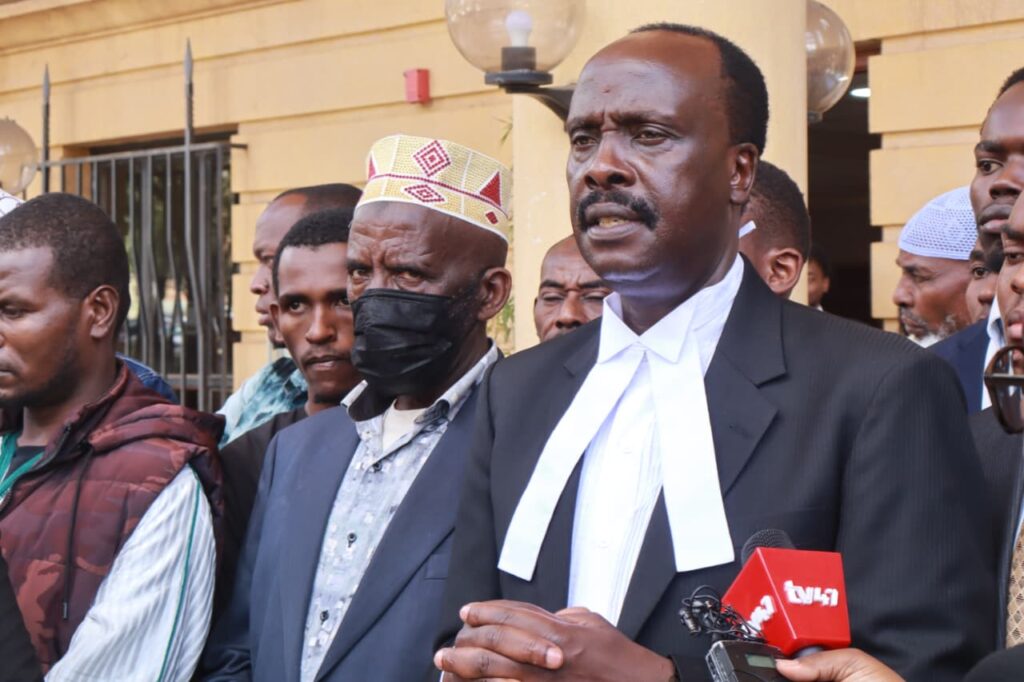
While addressing the journalists at the Milimani law court on 30th, September 2026, the community challenged SUPKEM’s claim to ownership of the property.
At the centre of the dispute is the question of who legally owns and controls the land on which the mosque, school and other community facilities stand.
The Huruma Muslim Community maintains that the property was initially allocated to the Kariobangi Muslim Community in the early 1970s, before the Supreme Council of Kenya Muslims, SUPKEM, became involved as a trustee.
SUPKEM has a different account.
The organisation maintains that the land was allocated to it in 1980 and that a title was subsequently issued in September 1982, allowing it to hold the property in trust for Kenyan Muslims.
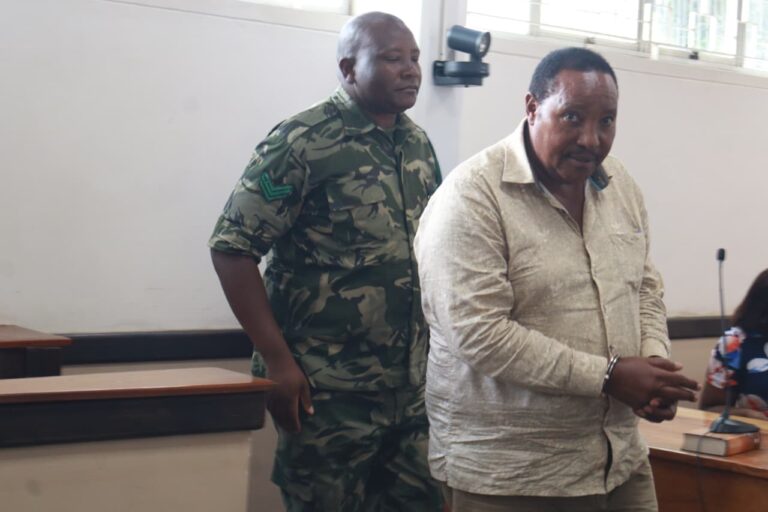
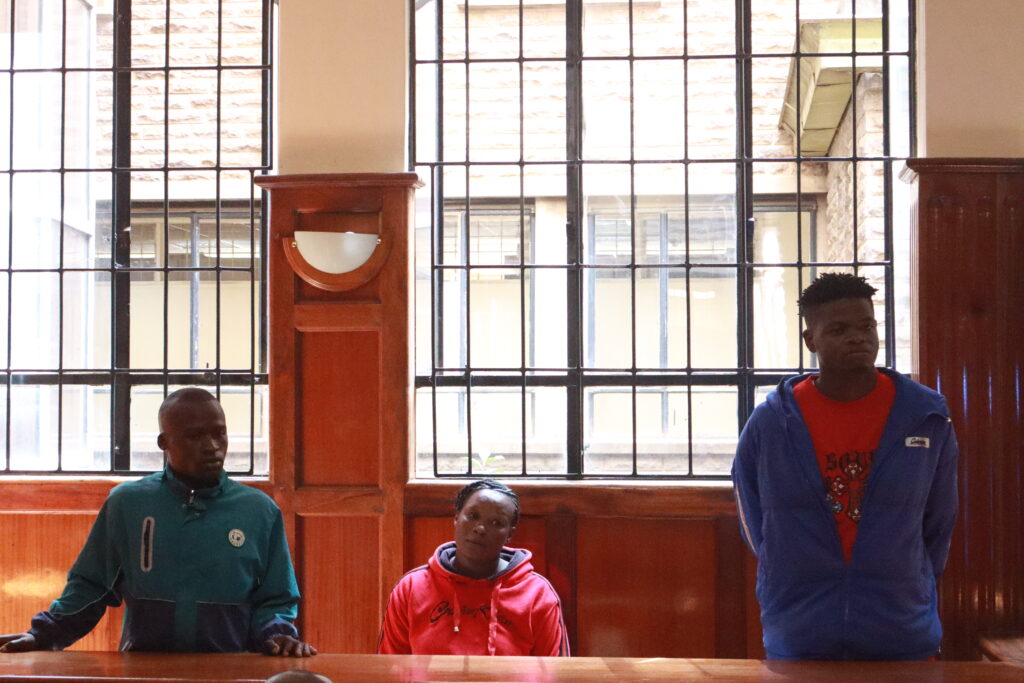
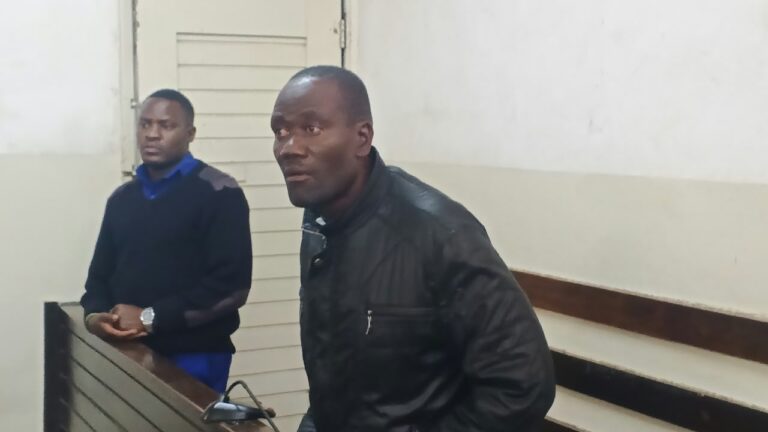
The ownership dispute has now spilled into the criminal courts. Nine members of the Huruma community were arrested and charged with forcible detainer.
They were later released on a cash bail of 50,000 shillings each.
Their lawyer, Danstan Omari, has challenged the criminal proceedings, as the parties continue to contest who has the legal authority over the property.
The Huruma representatives have also rejected allegations that members are involved in drug trafficking, illegal rent collection, harbouring refugees or running a criminal network from the mosque and school compound.
They say the allegations unfairly portray long-serving community members as criminals.
Among those named is elderly community member Hassan Dida, alias Tunge, whom the representatives say is about 90 years old and has limited mobility. They have questioned claims portraying him as a security threat.
The community further alleges that SUPKEM has not provided financial or infrastructural support to the mosque and school, including assistance with utilities and repairs.
But beyond the competing accusations, the central question remains unresolved: who has the lawful right to control the Huruma Mosque property?
The community says it wants the dispute settled without violence and has opposed any attempt to demolish the mosque, school or other facilities.
Omari has also urged Muslim diplomatic missions and international Islamic organisations to take an interest in the dispute, warning that tensions could rise if the ownership question remains unresolved.
The matter is scheduled for a mention date later on at the Milimani law court before Magistrate Daisy Mutai.
The Huruma Mosque dispute has developed into both civil and criminal proceedings, with the two sides presenting conflicting accounts of how the property was allocated and who was entrusted with its management.
While the Huruma Muslim Community traces its claim to an earlier allocation to the Kariobangi Muslim Community, SUPKEM relies on its alleged 1980 allocation and the title issued in 1982.
The ownership question therefore remains at the heart of the ongoing legal battle.