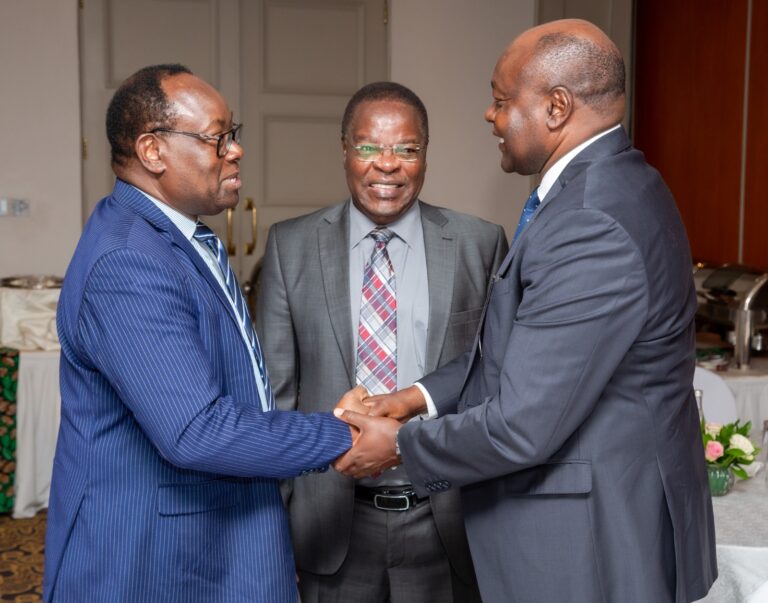
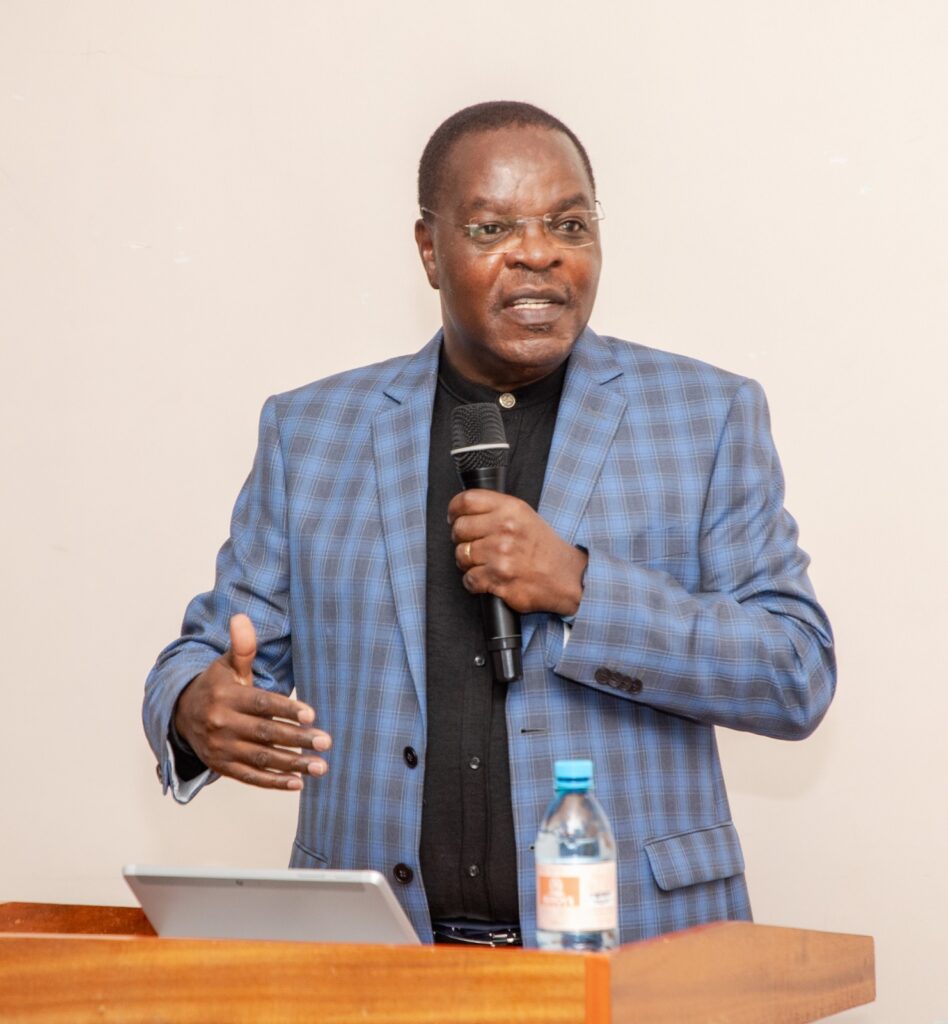
Ethics and Anti-Corruption Commission (EACC) chairperson Dr. David Oginde has urged the linking of public sector digital networks and the computerization of wealth reporting to enhance anti-corruption measures and eliminate self-serving actions.
Addressing attendees in Naivasha, Nakuru County, during the launch of a two-day training seminar for Public Service Commission (PSC) leaders, Dr. Oginde highlighted these priorities.
The gathering centers on creating frameworks for the PSC to digitize the Declaration of Income, Assets and Liabilities (DIALs) system, striving to make reporting simpler, safer, and more accountable across government agencies.
Dr. Oginde identified self-interest in official duties as the primary catalyst for illicit practices, advocating for robust proactive safeguards.
“The vast majority of corruption investigations conducted by EACC stem from conflict of interest. Addressing this single issue effectively would eliminate 90% of corruption cases permanently.”
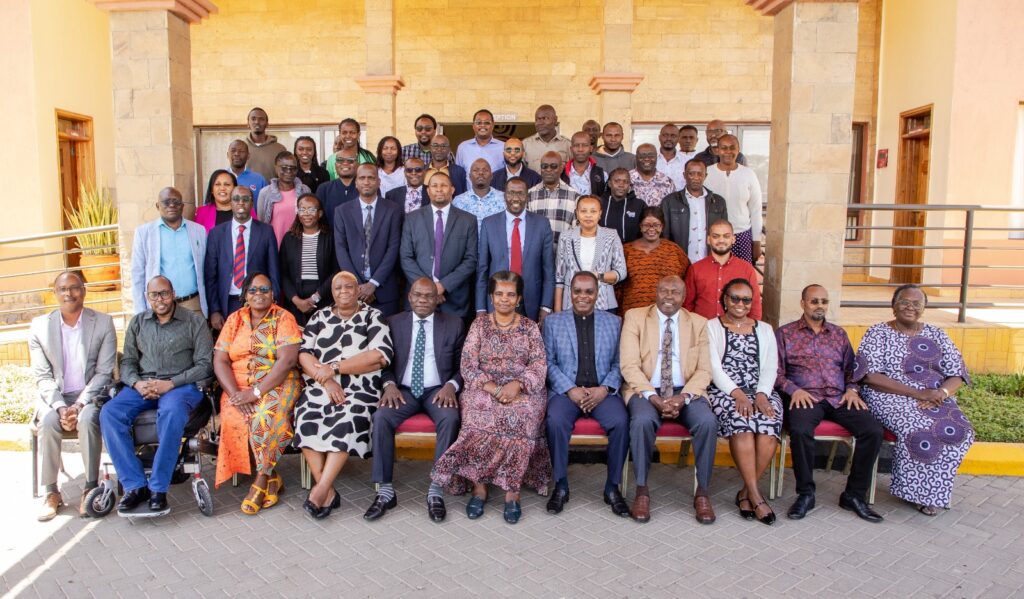
He explained that digitizing DIALs and allowing seamless data exchange between state databases would bolster monitoring and deter government workers from seeking private financial gains.
PSC Leader Mr. Francis Meja welcomed the effort, pointing to the expanding role of modern technology and Artificial Intelligence within state management.
“In this age of AI, digitizing wealth disclosure records ought to be straightforward. We periodically receive requests to access specific DIALs documents, and manually sifting through more than 300,000 physical files is an immense challenge.”
Mr. Meja added that the envisioned network offers a chance to create a unified, stream-lined, protected, and user-friendly system for handling financial statements.
This training takes place under the Conflict of Interest Act, 2025, which enhanced national policies regarding conflict management and asset disclosures for public employees.