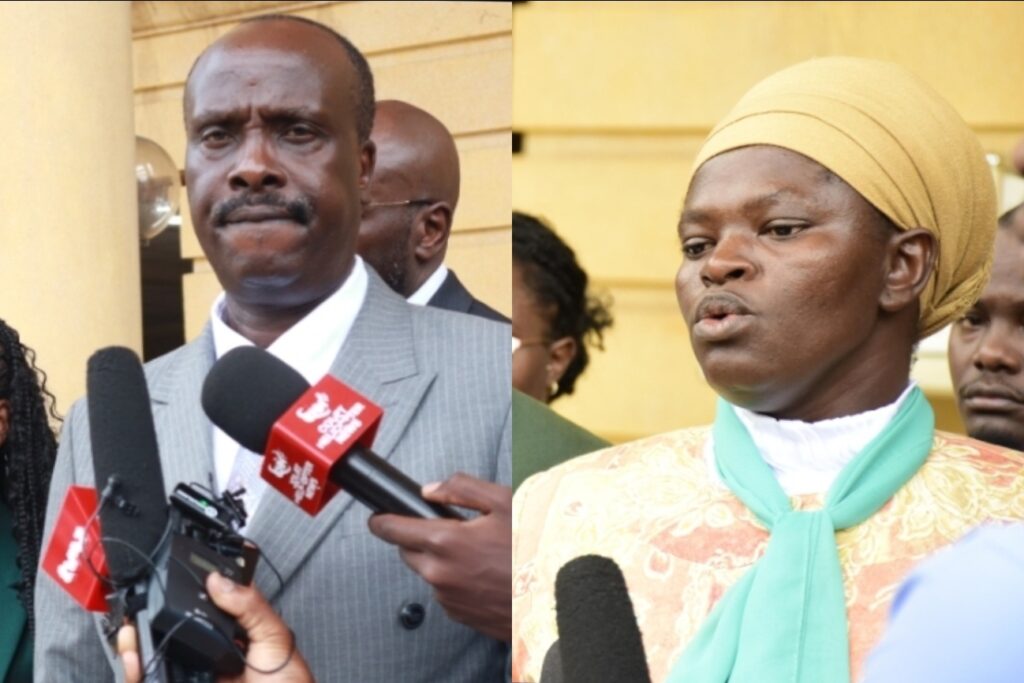
A dramatic legal and medical controversy is now unfolding after a Siaya woman challenged findings by the Kenya Medical Research Institute (KEMRI), insisting her conflicting HIV test results emerged after she allegedly received healing prayers during a crusade associated with Prophet David Owuor.
The dispute, now threatening to ignite a fierce debate between science, faith, and public health systems, has prompted lawyers Danstan Omari, Cliff Ombeta, Stanley Kinyanjui and Martina Swiga to demand answers from State health agencies over what they terms as glaring contradictions in Kenya’s HIV testing framework.
According to documents referenced by the legal team, the woman was first diagnosed as HIV positive in September 2023 after visiting a health facility in Siaya County while ailing.
Further confirmatory tests allegedly conducted at different medical facilities reportedly returned positive results, leading to her admission into the national HIV treatment programme and commencement of antiretroviral therapy under Ministry of Health protocols.
However, the matter allegedly took an unexpected twist in December 2024 after the woman attended a televised religious crusade in Nakuru linked to Prophet Owuor’s ministry.
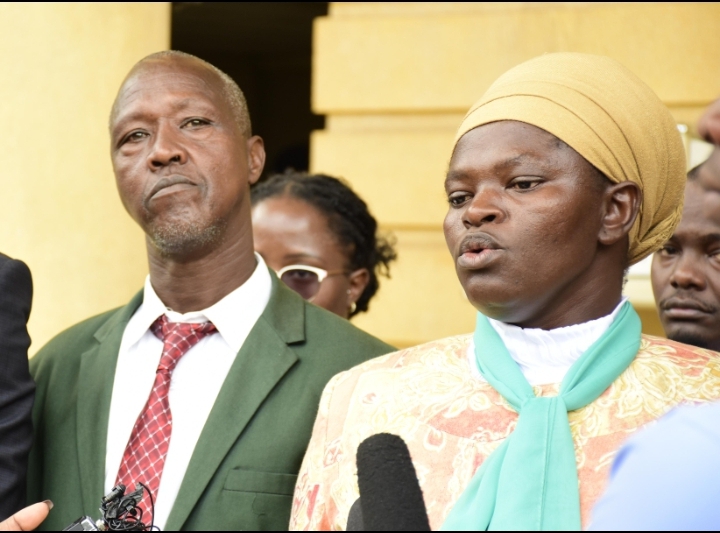
It is at the crusade where she reportedly testified to receiving prayers before later seeking fresh medical tests at another hospital, where results allegedly indicated she was HIV negative.
The situation reportedly deepened into confusion after additional tests from separate facilities also allegedly returned negative results, triggering alarm among medical practitioners and public health officials over the unexplained contradiction.
The controversy would later escalate to the national level, drawing in the National AIDS and STI Control Programme (NASCOP) alongside KEMRI laboratories in Kisumu for further investigations and fresh sample analysis.
Despite repeated testing, the woman’s legal team claims some results were withheld before KEMRI eventually issued findings stating there was no evidence of prior HIV infection.
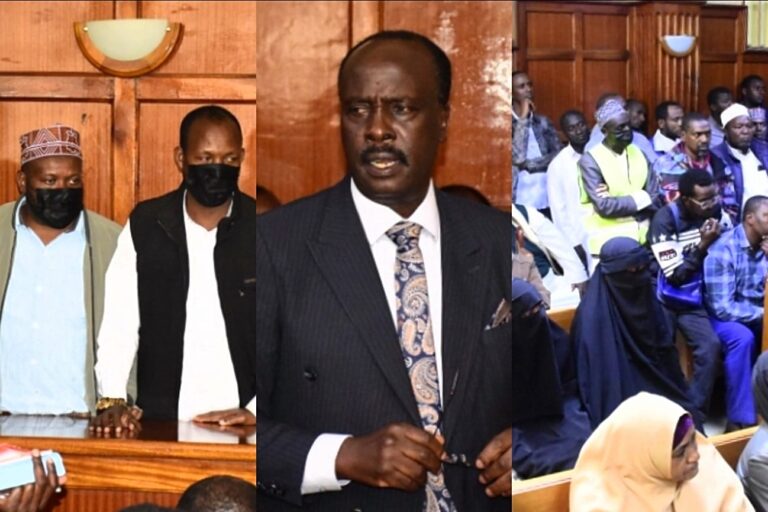
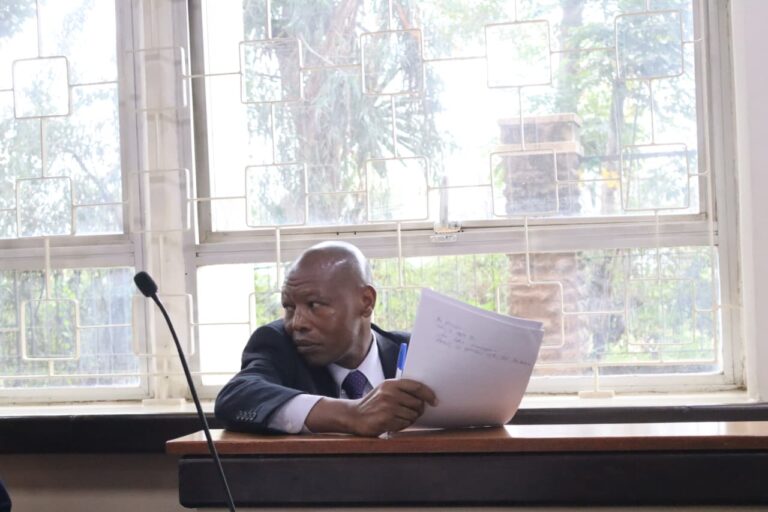
Speaking outside Milimani Law Courts, advocate Danstan Omari sharply criticized the findings, arguing that the conclusions raise serious questions about the integrity of Kenya’s HIV testing protocols and the credibility of previous diagnoses relied upon by thousands of patients across the country.
Omari maintained that the matter transcends a personal medical dispute, warning that it could potentially shake public confidence in the country’s scientific and healthcare systems.
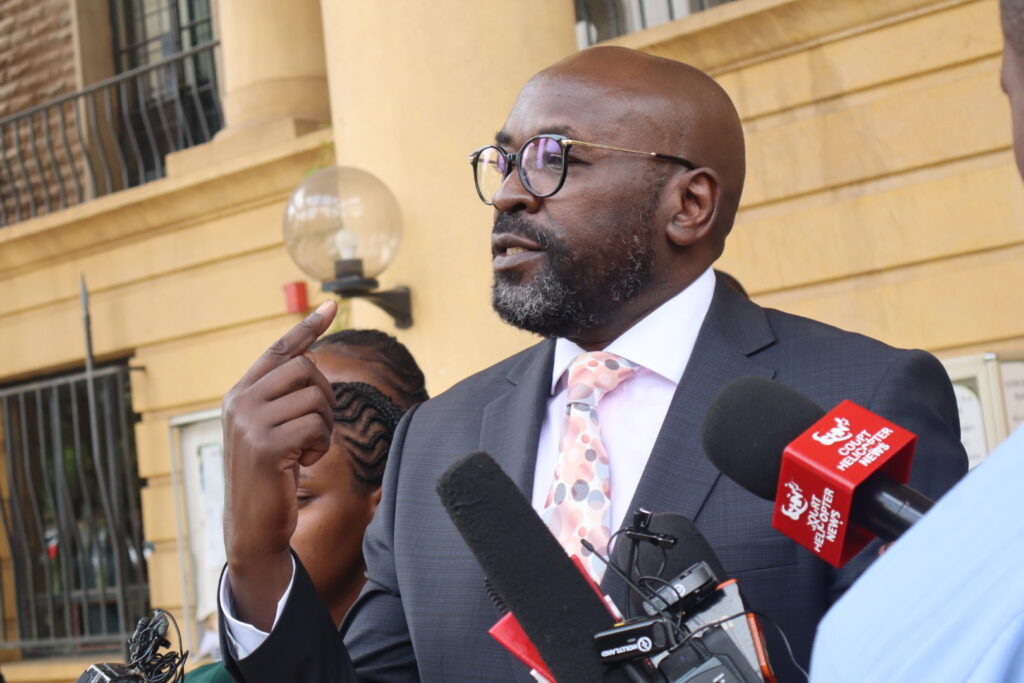
“The country must now confront difficult questions on whether proper testing procedures were followed, whether the initial diagnosis was accurate, and how multiple positive tests could later turn negative,” Omari stated.
The lawyer further disclosed that the matter has already been reported to the Directorate of Criminal Investigations (DCI) in Bondo, with his client now contemplating legal action against the concerned institutions.
Through a formal demand letter, KEMRI and the Ministry of Health have reportedly been granted fourteen days to retract the disputed findings and publicly clarify the reliability of Kenya’s HIV testing mechanisms.
What began as a personal testimony of healing at a religious crusade has now turned into a legal and scientific battle putting faith against medicine, while placing Kenya’s public health institutions under intense scrutiny.