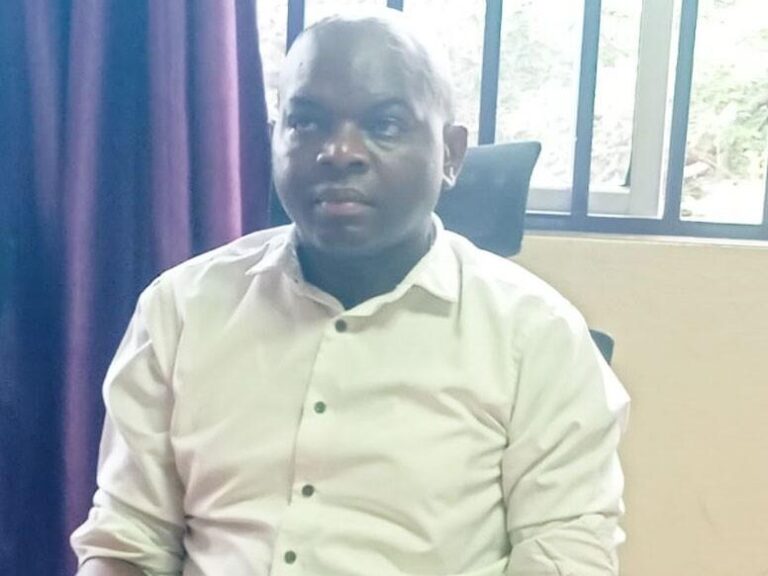
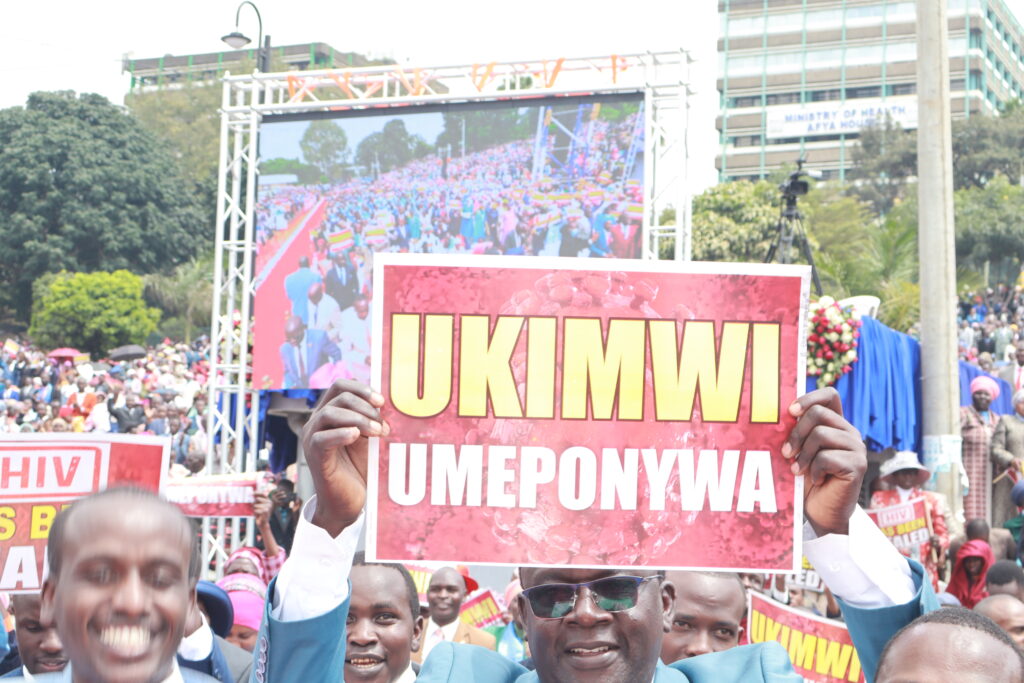
Prophet David Owour’s follower, Peter Oyan, who was healed HIV after attending a prayer meeting led by the prophet, has dropped his official complaint against a broadcaster that questioned his healing.
The controversy drew national attention, prompting debate over faith healing, medical evidence, and media reporting.
While Oyan maintained that his recovery followed prayer, medical experts interviewed during the controversy reiterated that HIV treatment should continue to be guided by established scientific evidence and approved antiretroviral therapy.
The complaint arose after an investigative report aired earlier this year questioned Oyan’s testimony that he had been diagnosed with HIV in 2012 before later testing HIV-negative following prayers during a church meeting.
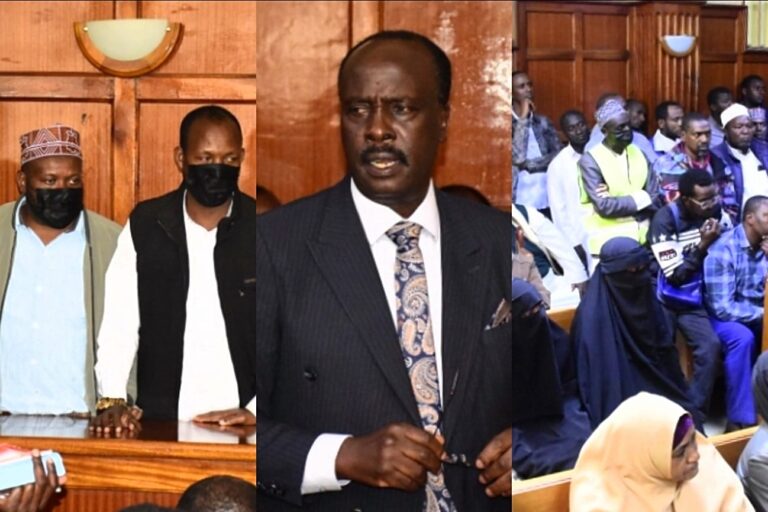
In May, during a press brief outside Milimani Law Courts, advocate Danstan Omari sharply criticized the situation, arguing that the conclusions raise serious questions about the integrity of Kenya’s HIV testing protocols and the credibility of previous diagnoses relied upon by thousands of patients across the country.
Omari maintained that the matter transcends a personal medical dispute, warning that it could potentially shake public confidence in the country’s scientific and healthcare systems.
“The country must now confront difficult questions on whether proper testing procedures were followed, whether the initial diagnosis was accurate, and how multiple positive tests could later turn negative,” Omari stated.
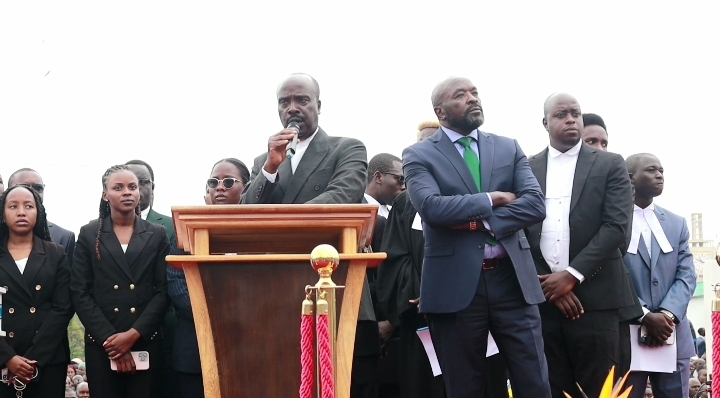
According to the lawyers, Oyan reported the matter to the DCI on February 8, after publications disputed his account of his HIV diagnosis and subsequent recovery.
They stated that detectives, acting on court orders, accessed Oyan’s medical records, reviewed the National AIDS and STI Control Programme (NASCOP) register at Rumuruti Sub-County Hospital, conducted fresh DNA-PCR tests at the Kenya Medical Research Institute (KEMRI), and interviewed healthcare workers involved in his treatment.
They added that the investigations established Oyan was enrolled in the Ministry of Health HIV programme on May 3, 2012, and commenced antiretroviral therapy.
Further, the investigators established that he later tested HIV-negative after attending a prayer meeting in Eldoret.
Despite these findings, Oyan wrote to the Office of the Director of Public Prosecutions (ODPP) indicating that he no longer wished to pursue the complaint.
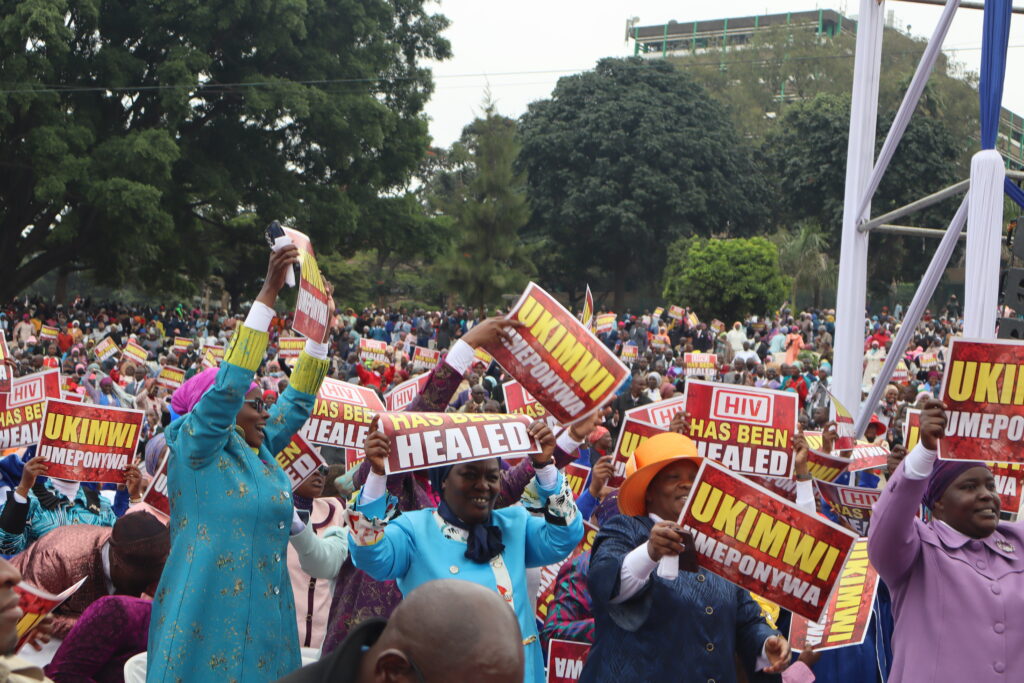
The decision was announced on July 12, during Prophet David Owour’s Crusade at Uhuru Park, by Oyan’s legal team led by Senior Counsel Danstan Omari, who said the withdrawal followed investigations by the Directorate of Criminal Investigations (DCI) into the complaint.
His legal team said the decision was guided by his Christian faith and desire to forgive, adding that the withdrawal should not be interpreted as an admission that the publications complained of were accurate or justified.
Millicent Awino, another follower of Prophet Owuor, also spoke during the July 12 gathering and shared a similar testimony.
According to her account, she was first diagnosed as HIV positive in September 2023 after visiting a health facility in Siaya County while ailing.
Further confirmatory tests allegedly conducted at different medical facilities reportedly returned positive results, leading to her admission into the national HIV treatment programme and the commencement of antiretroviral therapy under Ministry of Health protocols.
However, the matter allegedly took an unexpected turn in December 2024 after she attended a televised religious Crusade of Prophet Owuor’s ministry in Nakuru.
It was at the crusade where she testified to receiving prayers before later seeking fresh medical tests at another hospital, where results allegedly indicated she was HIV negative.
The situation reportedly deepened into confusion after additional tests from separate facilities also allegedly returned negative results, triggering alarm among medical practitioners and public health officials over the unexplained contradiction.
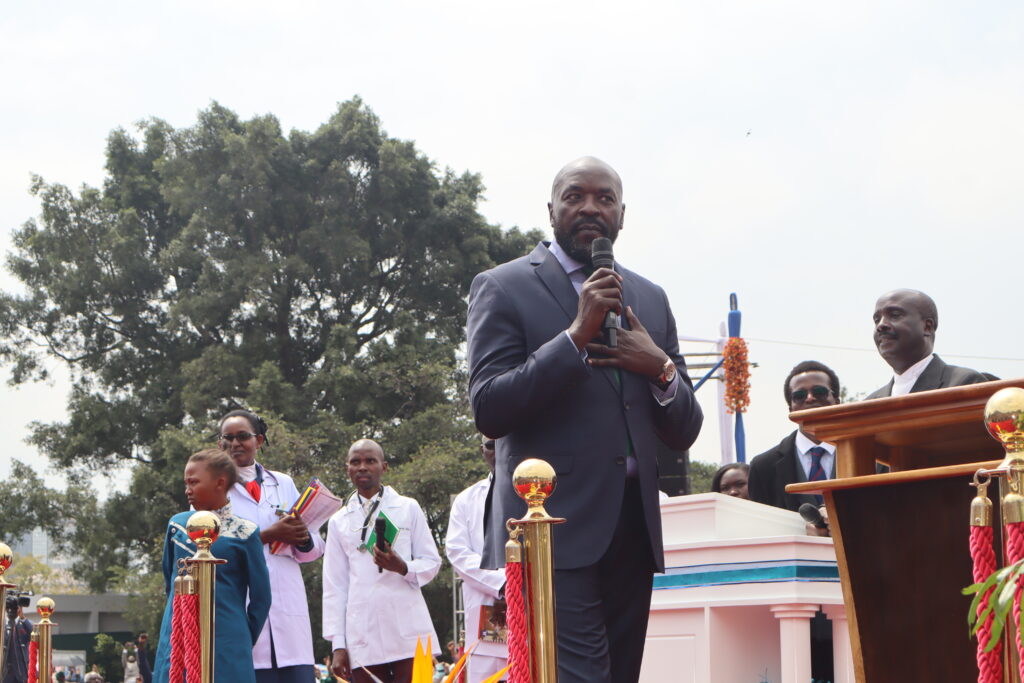
The controversy later escalated to the national level, drawing in the National AIDS and STI Control Programme (NASCOP) alongside KEMRI laboratories in Kisumu for further investigations and fresh sample analysis.
Despite repeated testing, the woman’s legal team claims some results were withheld before KEMRI eventually issued findings stating there was no evidence of prior HIV infection.