
Kenya is set to witness a major boost in electric mobility, particularly within the booming boda boda sector.
Industry players and innovators are joining forces to tackle the high costs associated with traditional fuel-powered motorcycles, emphasizing the financial and environmental benefits of electric alternatives.
Leading the charge is Kibo Africa, an electric mobility company aiming to introduce 10,000 electric motorcycles into the Kenyan market in just the next year.
The initiative is designed not only to expand access to cleaner transport but to revolutionize the way riders operate by drastically reducing their daily expenses.
Felix Mulwa, Kibo Africa’s director, highlighted the practical advantages.”Riders switching to our electric bikes can save around Sh500 to Sh600 daily, primarily by avoiding fuel costs.”
This savings opportunity comes at a crucial time when fuel prices continue to put pressure on motorcycle operators’ earnings.
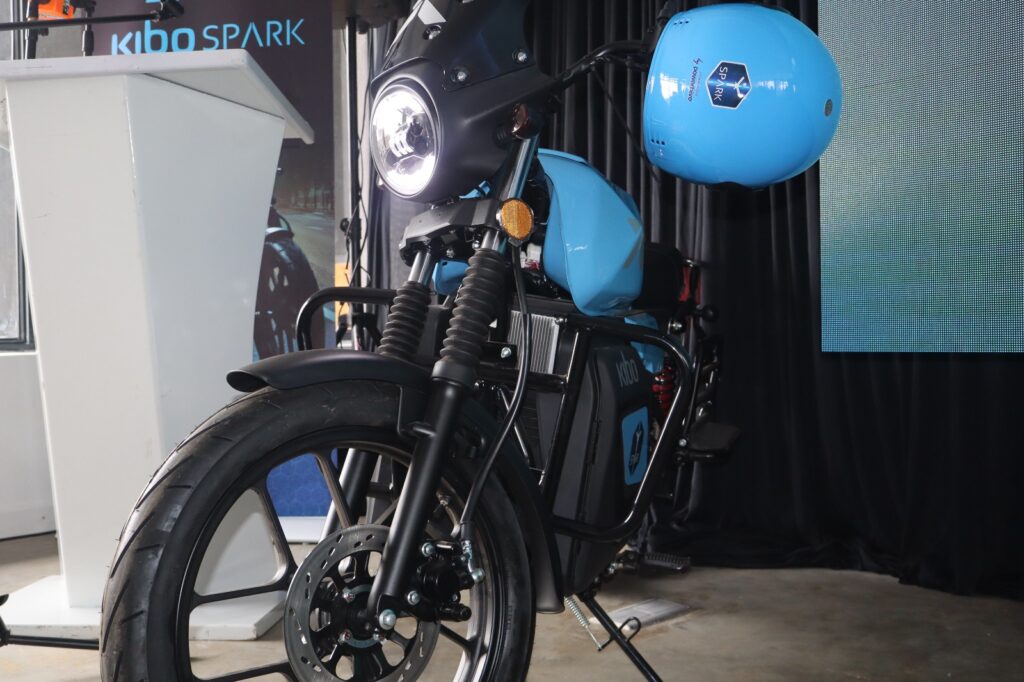
Mulwa explained that the company’s approach combines locally assembled bikes with an extensive network of battery-swapping stations, ensuring convenient and quick battery exchanges for riders.
The rollout will kick off in Nairobi, where initial testing of the bikes has been underway for the past three years. Mulwa revealed that the firm plans to extend the deployment to other regions after establishing a strong foothold in the capital.
The targeted phase aims to integrate approximately 30,000 electric motorcycles over the next three years, signaling a substantial shift towards greener urban transit.

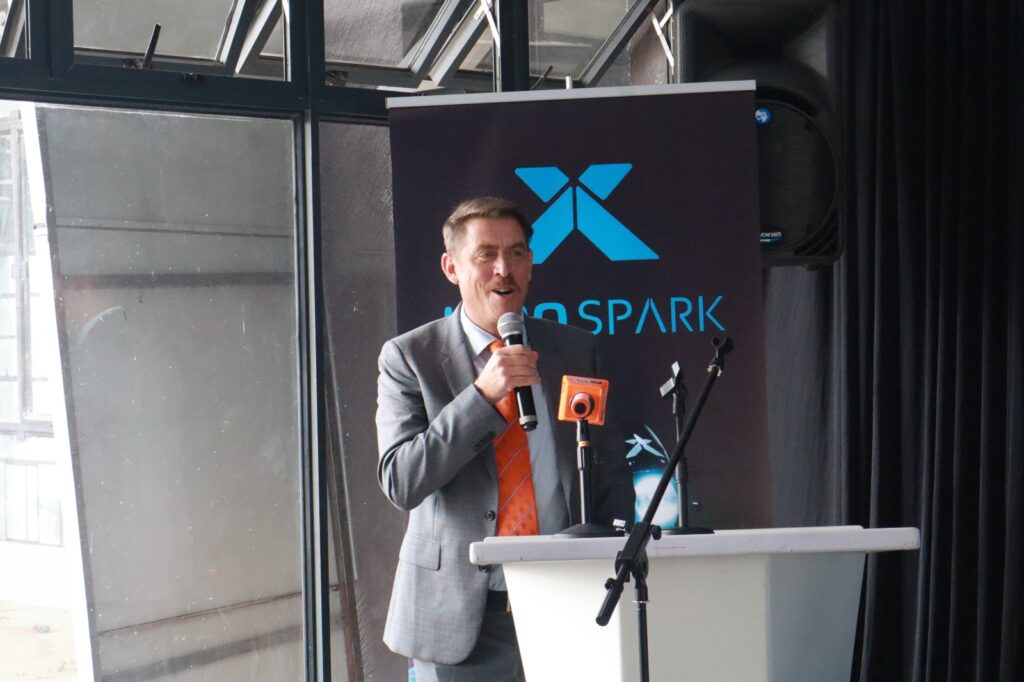
The move was announced during the Thursday launch of the Kibo Spark electric motorcycle in Nairobi, a moment accompanied by the signing of a memorandum of understanding with energy company Powerhive.
This partnership combines Kibo Africa’s motorcycle market presence with Powerhive’s extensive experience in energy infrastructure and mini-grid systems an alliance aimed at accelerating electric mobility solutions across Kenya.
Powerhive CEO Christopher Hornor underscored the significance of their collaboration.
“We’ve been working in Kenya for over a decade, and this project marks a critical milestone in building the energy infrastructure necessary for widespread electric vehicle adoption.
“The partnership focuses on expanding battery-swapping stations to support the large-scale deployment of electric motorcycles, making it easier and more cost-effective for riders to switch to electric.”
This development comes amidst rising momentum in Kenya’s electric vehicle scene, as multiple firms invest heavily in electric motorcycles, charging stations, and swapping infrastructure.
Advocates argue that electric bikes could substantially reduce maintenance costs and emissions while offering economic relief to the country’s many boda boda operators.
As the government and private sectors push toward cleaner transportation, companies like Kibo Africa and Powerhive are optimistic about the future of electric mobility in Kenya, envisioning a more sustainable, affordable, and efficient transport landscape for millions of riders across the country.